Technical Reports: A Critical Foundation for Long-Term Co-op Planning
Reliable information is the cornerstone of effective long-term planning. For housing co-ops, understanding the current condition of their buildings is essential to making informed decisions about maintenance, renewal, and future investment.
At SPICE Management Group, we support housing cooperatives across British Columbia in obtaining and using the right technical reports to guide sustainable asset management and capital planning. These reports provide a clear picture of building performance today and what will be required to keep properties safe, functional, and financially viable over time.
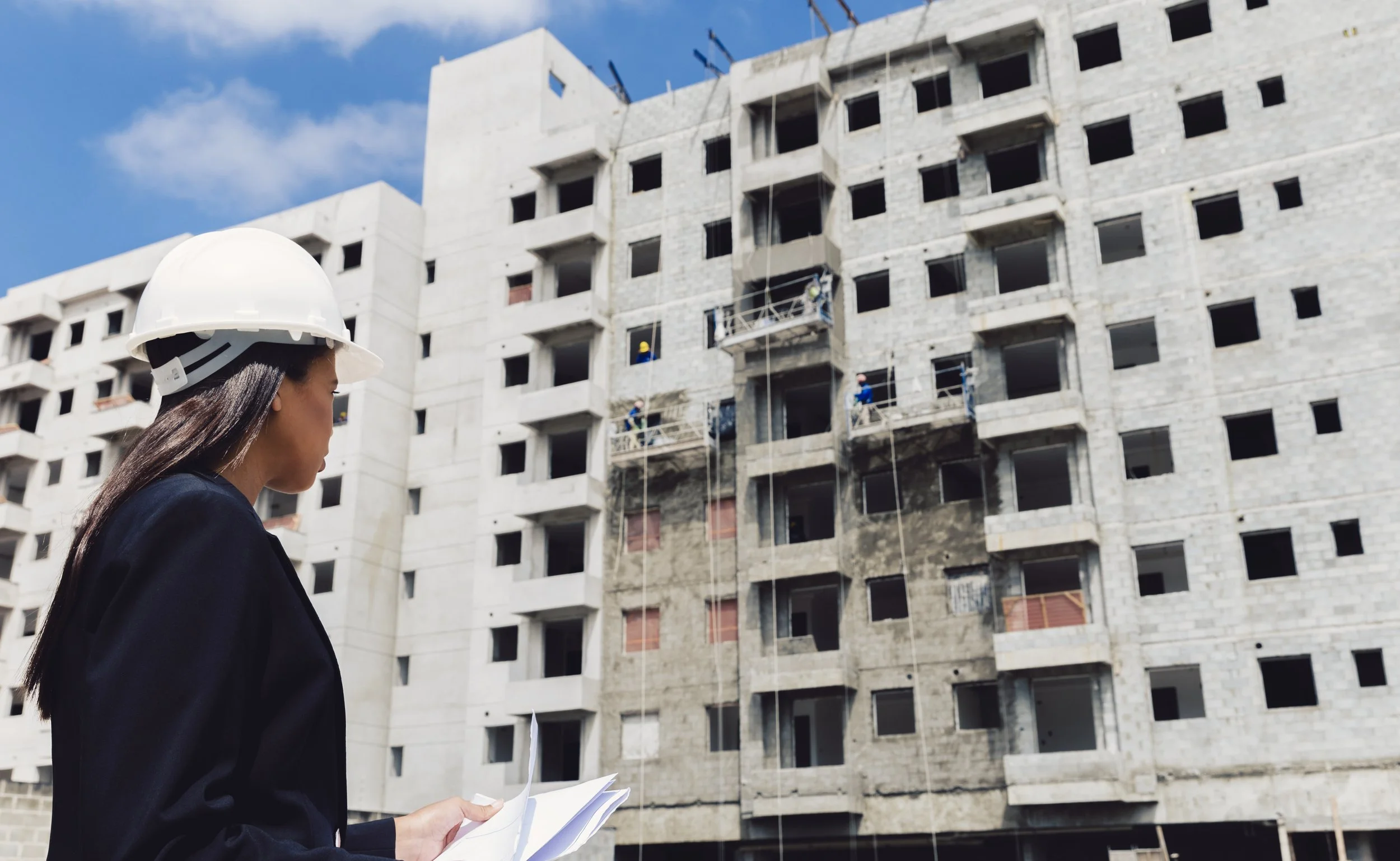
Why Technical Reports Matter for Housing Co-ops
Professional engineering assessments play a vital role in helping co-ops:
Understand the condition of building systems and components
Plan for future repairs and replacements
Develop realistic capital and reserve fund plans
Communicate effectively with lenders, regulators, and funders
Technical reports are no longer just internal planning tools—they are increasingly required when co-ops seek financing, apply for funding, or demonstrate due diligence.
Building Condition Assessments (BCA)
A Building Condition Assessment (BCA) is one of the most widely used technical reports for housing cooperatives. Prepared by qualified engineers, a BCA provides a comprehensive overview of the condition of major building components and systems, including:
Structural elements
Building envelope (walls, roofs, windows)
Mechanical and electrical systems
Fire and life safety systems
Common areas and site features
Engineers typically review available drawings and past reports, followed by a site visit that includes a visual inspection of the property. A sample of residential units—often around 10%—is also reviewed to understand the range of interior conditions.
The final report outlines:
When components are expected to require renewal or replacement
Estimated costs for each item
Recommended priorities and timelines (e.g., within 2 years, 5–10 years, etc.)
BCAs are sometimes referred to as depreciation reports, particularly in strata settings, and they form the backbone of a well-structured long-term capital plan.
Building Envelope Condition Assessments (BECA)
A Building Envelope Condition Assessment (BECA) focuses specifically on the exterior systems that protect the building, such as walls, cladding, windows, and roofing.
Unlike a general BCA, a BECA may involve targeted or selective destructive testing to better evaluate concealed conditions. While a BECA does not replace a full building condition assessment, it can be an important follow-up when:
A BCA identifies envelope-related risks
There are known or suspected moisture or water ingress issues
The co-op is planning major exterior rehabilitation
Other Specialized Technical Studies
Some building components are best evaluated through specialized investigations, including:
Elevator condition assessments
Plumbing system evaluations
Balcony and parkade studies
Energy audits and efficiency assessments
These targeted studies can often be coordinated alongside a BCA or BECA to improve accuracy and reduce overall costs.
Unit Inspections
Standard BCAs review all common areas and a sample of residential units. For co-ops seeking more detailed information, professional unit inspections can provide valuable additional data about:
Interior finishes and fixtures
Plumbing and electrical conditions
Accessibility or safety concerns
SPICE can help incorporate unit-level information into broader planning and asset management strategies.
How SPICE Supports Your Co-op
As part of our planning and renewal services, SPICE Management Group assists co-ops by:
Recommending the most appropriate type of technical report
Coordinating with qualified engineering professionals
Reviewing draft reports to ensure clarity and usefulness
Facilitating meetings to explain findings and next steps
Integrating report data into long-term financial and capital plans
Because we work closely with trusted service providers, we streamline the process and reduce the administrative burden on volunteer boards.